iMineralogist started from a simple frustration: you find a promising rock in the field, and there is no fast way to ask "what is this, and has anyone else found it near here?" This blog is where we will write about the mineralogy behind the app, the geology of the places our users collect, and the decisions — good and bad — that shape what we build next.
What you will find here
Expect a mix of practical and technical posts:
- Field technique — photographing specimens, recording locality data, the tests you can run with a streak plate and a pocketknife.
- Geology explainers — how to read a geologic map, what a formation name actually tells you, the difference between a mineral and a rock.
- Project updates — what changed in the app and why, written for the people who use it rather than for a changelog.
If you want the underlying data, Mindat remains the best public reference for IMA-approved mineral species, and Macrostrat is where our map overlay gets its geological units.
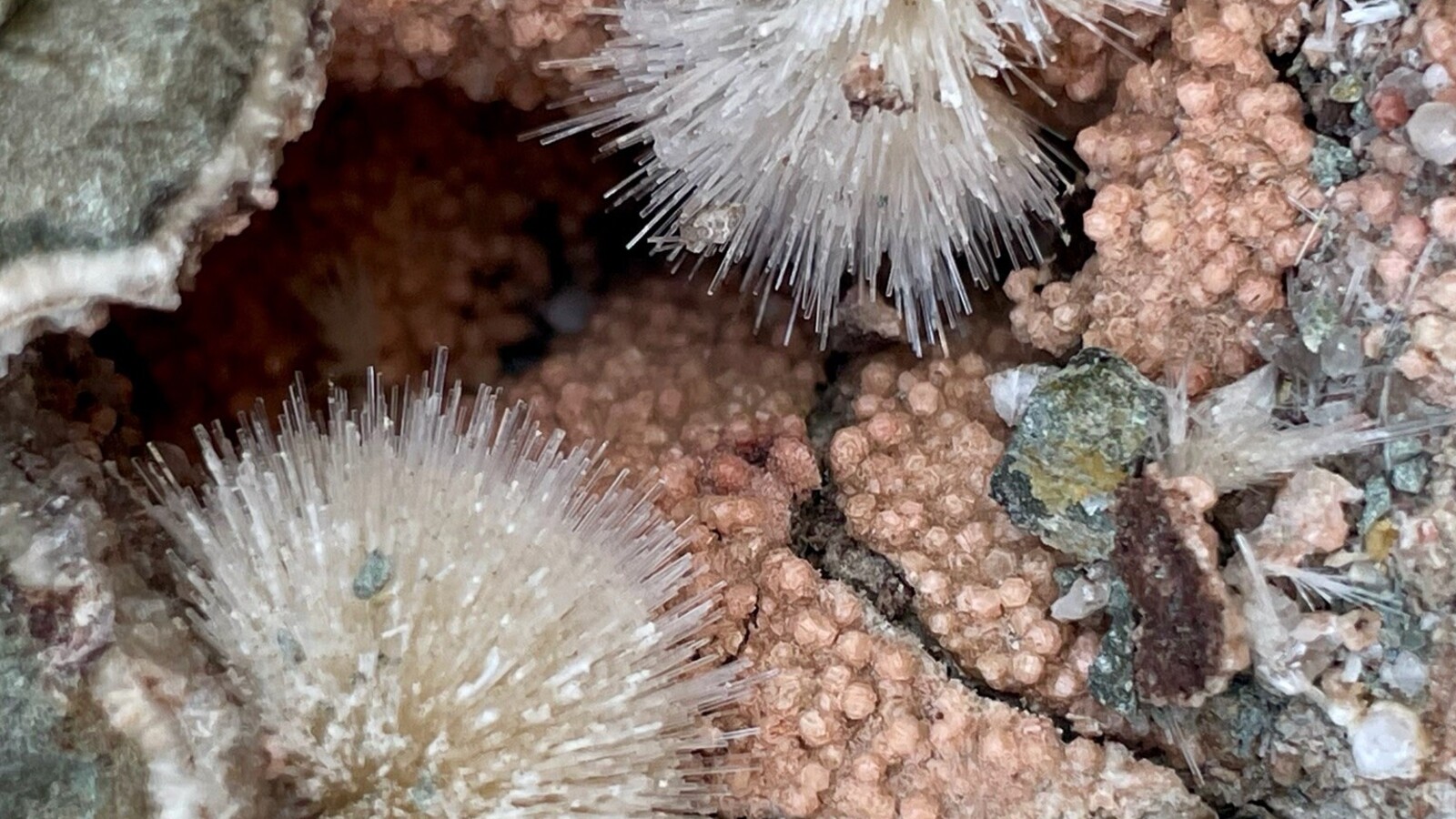
Everything below was found, photographed and recorded by one person on ordinary days out — zeolites and copper secondaries from an ophiolite belt, a fossil weathering out of limestone, a stone crusted with pyrite crystals. Yours will come from wherever you happen to walk: the app is not tied to any one region, and neither is this blog.
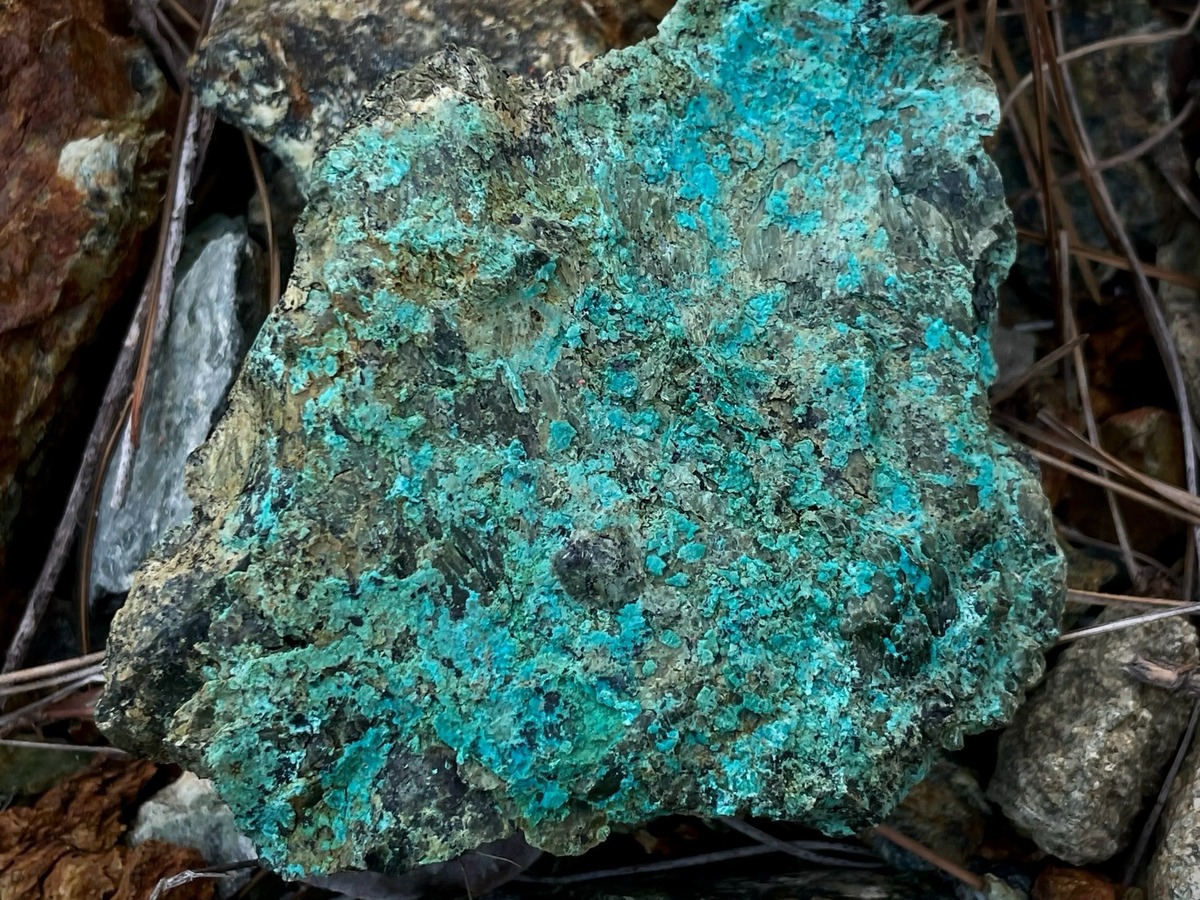
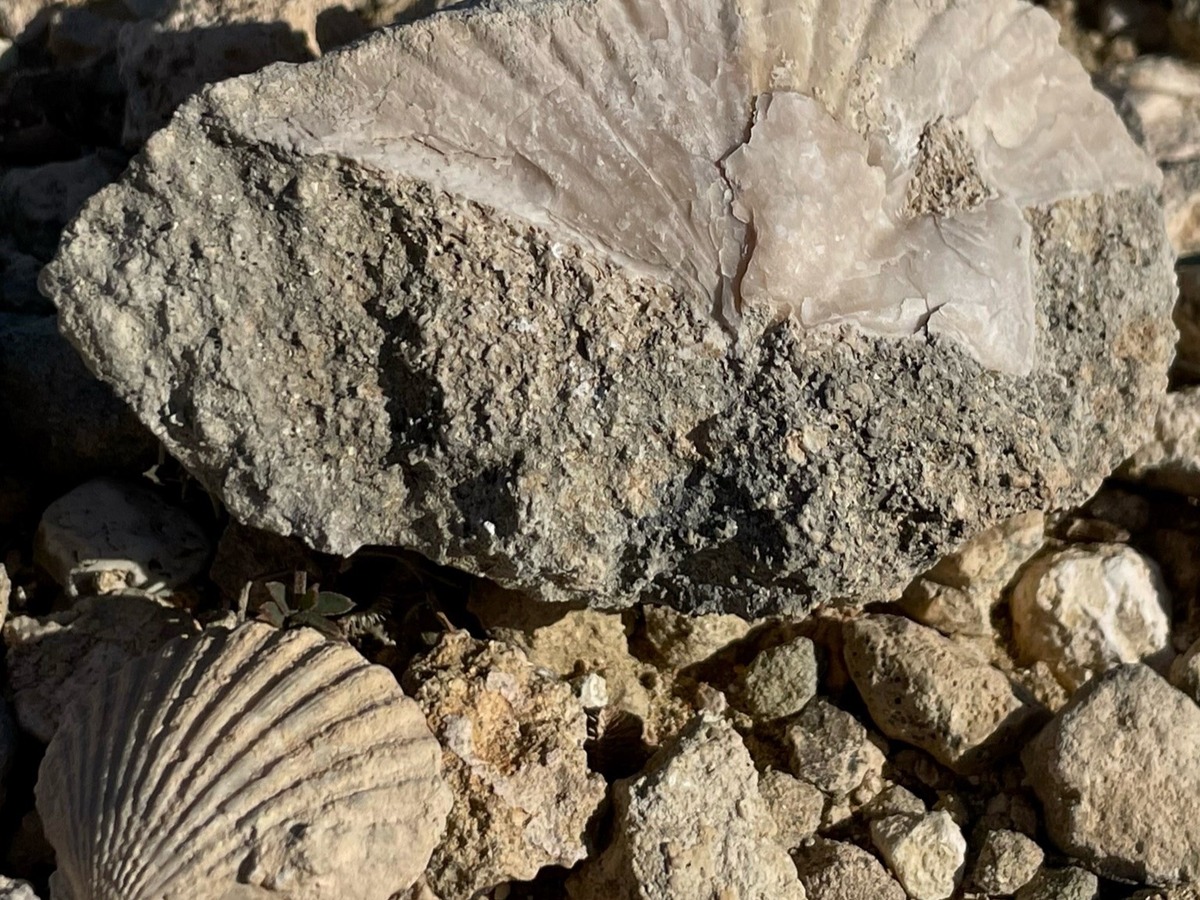
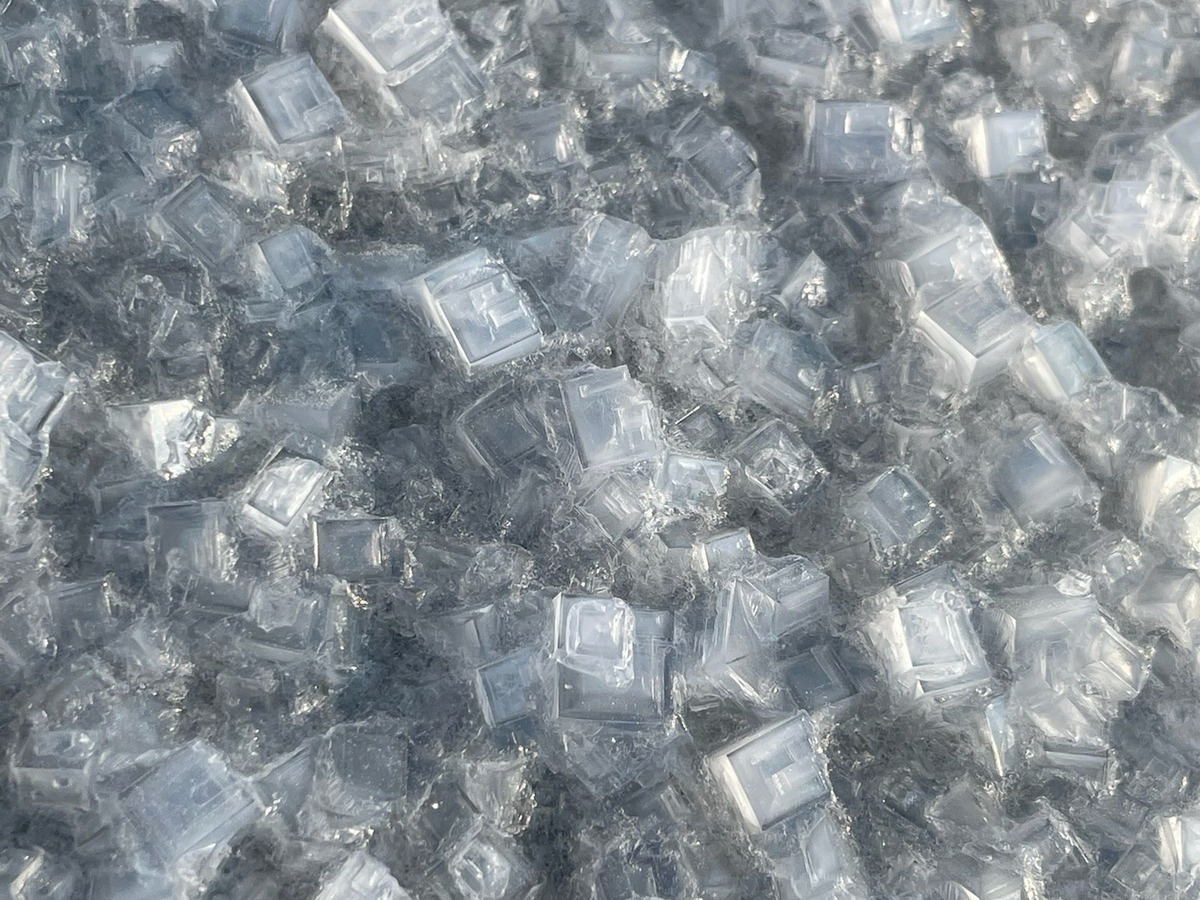
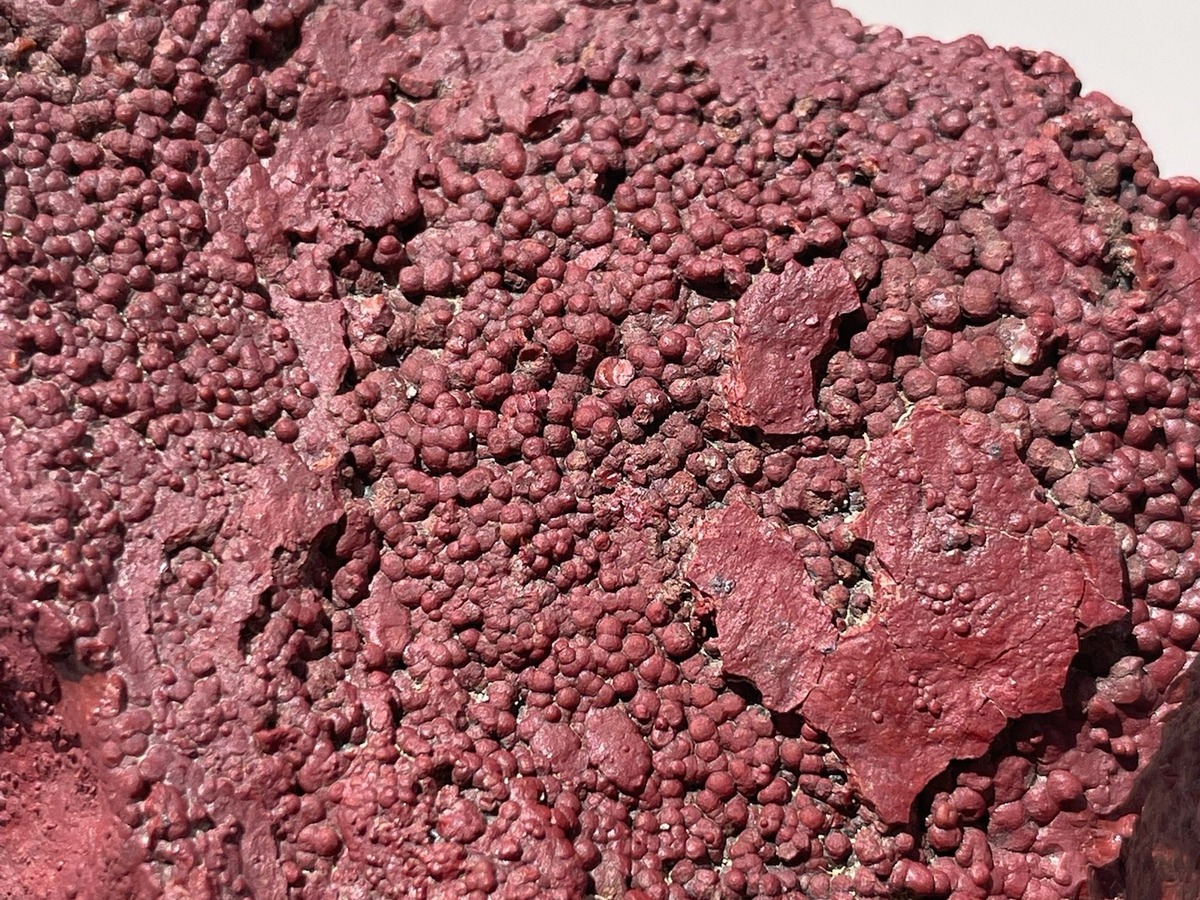
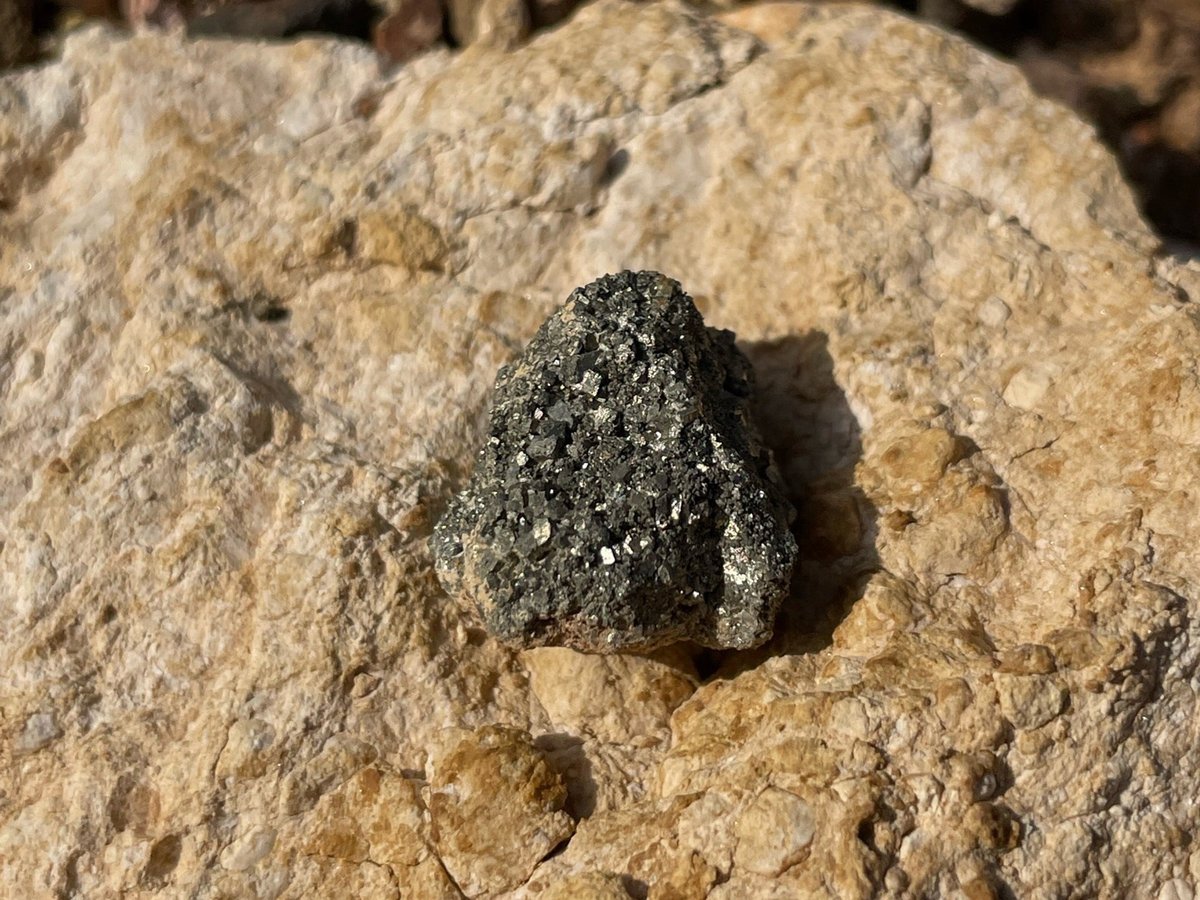
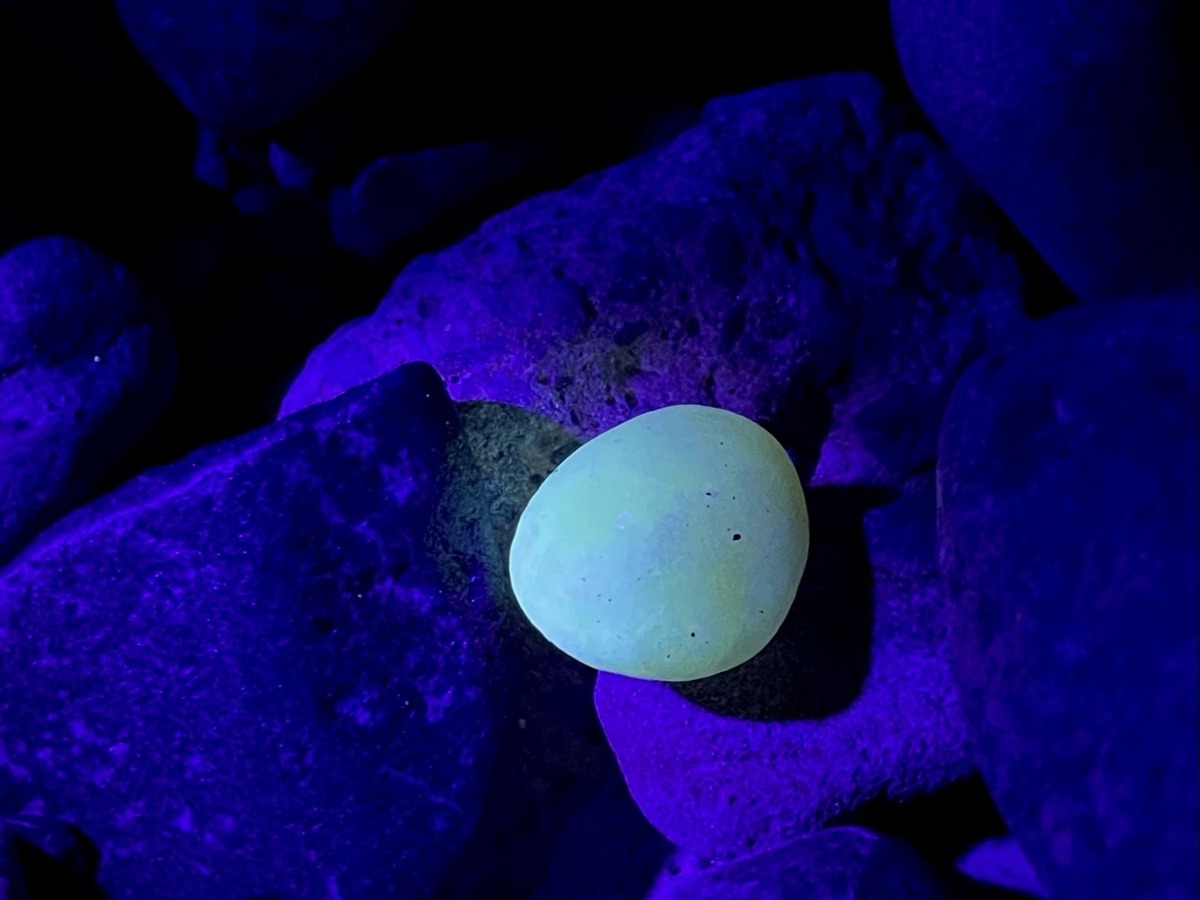
Not one of those is a museum specimen. They are ordinary finds, photographed in the field with a phone — which is rather the point.
A quick reference for the field tests we will keep coming back to in future posts:
| Test | What it tells you | Simple tool |
|---|---|---|
| Hardness | Resistance to scratching, on the Mohs scale | Streak plate, knife, coin |
| Streak | The color of a mineral's powder | Unglazed porcelain plate |
| Cleavage | How a mineral breaks along planes | Hand lens |
| Acid reaction | Whether a mineral contains carbonate | Dilute HCl (fizzes on calcite) |
The first field-guide post is already up: how to document a geological field observation — the ninety seconds of work that turn a find into something anyone can use.